The Impact of Sugar on the Skin & Healthier Alternatives
Sugar is now omnipresent in our daily lives and diets. Many of us have a very particular relationship with it: it comforts us when we feel low, it is a reward parents give to well-behaved children, and it provides an almost instant energy boost.
But while it delights children and sweet-toothed adults alike, sugar can also become a real poison when consumed in excess: increased risk of cavities, weight gain, diabetes, cardiovascular disease… and skin problems.
So how did sugar make its way into our cupboards? Is it inherently bad? And how does it affect the quality of our skin? To fully understand, let’s start by exploring its history.
1. What Is Sugar and Where Does It Come From?
Sugar is a staple food discovered in Asia several centuries BC. It arrived in Europe through the Crusades and remained, for several centuries, a rare and expensive product — like most imported goods at the time, reserved for the wealthy. It was only from the 16th century onwards that production increased and prices gradually fell, making sugar more widely accessible.
There are three types of sugar, which differ in how quickly they are absorbed by the body:
-
Simple sugar (monosaccharides) consists of a single molecule of glucose or fructose. It passes directly into the bloodstream through the intestinal wall, unlike other sugars that must first be broken down into simple sugars. This immediate absorption causes a rapid spike in blood sugar levels.
-
Double sugar (disaccharides) consists of two molecules (glucose and fructose). Table sugar (sucrose) is a classic example.
-
Complex sugar (polysaccharides) consists of long chains of molecules. Their breakdown into simple sugars is much slower, which explains the feeling of fullness they provide. They are found in cereals, lentils and vegetables such as pumpkin.
The sugar essential to our survival is complex sugar. When we chew foods containing double or complex sugars, enzymes in our saliva convert them into simple sugars such as glucose, which then enters the bloodstream. This glucose is the fuel our body needs for vital functions such as breathing and heartbeats.
The pancreas regulates blood sugar levels by secreting insulin. However, when sugar intake exceeds the body’s needs, the excess remains in the bloodstream, as cells can only absorb a limited amount. Over time, this leads to inflammation and disease.
In addition, sugar stimulates the secretion of dopamine in the brain — the pleasure hormone — unconsciously creating a preference, or even an addiction, to sweet foods.
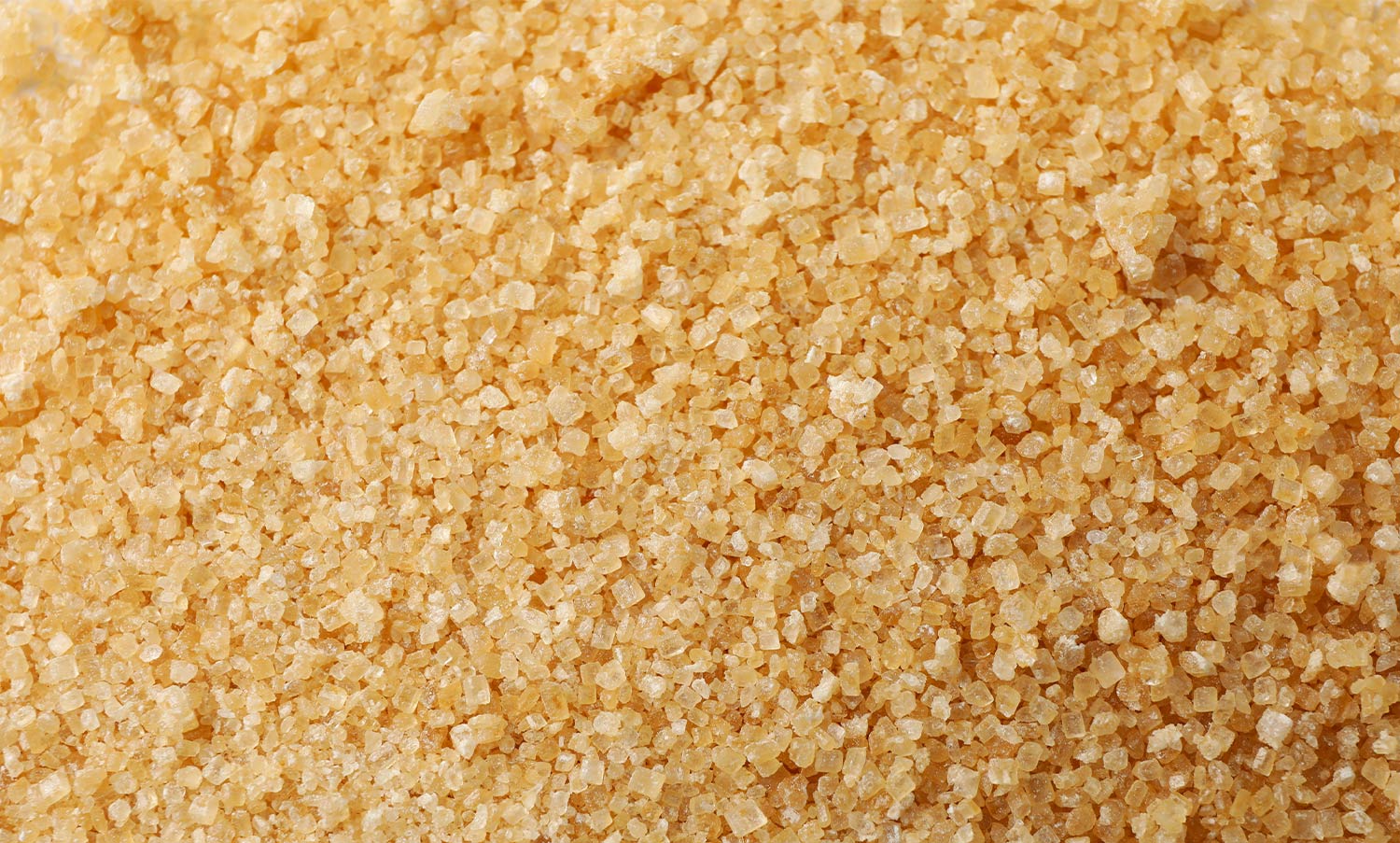
Most of the sugar consumed today comes from sugar beet, which is naturally white. Cane sugar, or brown sugar, is naturally golden. From a chemical standpoint, both are almost exclusively composed of sucrose.
Each food also has a glycemic index (GI), which measures its ability to raise blood sugar levels, relative to glucose (GI 100). Foods with a GI above 50 are considered hyperglycemic. GI is not directly linked to sugar content: a food may contain little sugar yet have a high GI. Moreover, GI measures foods in isolation, whereas in the body, factors such as fiber and fat slow sugar absorption.
2. Sugar Refining
Refining is a harmless chemical process applied to all sugars — brown or white — consumed today. Its purpose is to make sugar very white and very fine.
In the Middle Ages, the whiter the sugar, the purer it was considered — and therefore the more expensive. Cane sugar, naturally brown due to plant residues, was refined to obtain white, flavorless sugar. Although sugar beet is naturally white, it is also refined to allow long-term storage, especially during wartime periods.
Refining involves multiple bleaching steps to eliminate pigments and other compounds: washing, clarification, decolorization, crystallization, mixing, centrifugation and drying.
These processes drastically reduce the sugar’s content of vitamins, minerals and trace elements. For example, according to a study titled “Extraction and Refining of Cane Sugar”:
-
100 g of unrefined brown sugar contains 85 mg of calcium, compared to 1 mg in refined white sugar
-
29 mg of magnesium, compared to 0 mg
-
346 mg of potassium, compared to 2 mg
-
0.111 mg of vitamin B5, compared to 0 mg
Unrefined cane sugar therefore retains valuable nutrients, whereas refined sugar provides calories only — a major public health issue today, especially since sugar is hidden everywhere, including in industrial savory foods.
Although the World Health Organization (WHO) recommends limiting sugar intake to 50g per day (about 12 sugar cubes), it is strongly advised not to sweeten foods, as daily needs are already met through complex carbohydrates in the diet.
3. The Effects of Sugar on the Skin
Excess sugar consumption has significant consequences for skin quality, starting with glycation. This phenomenon occurs when sugar molecules bind to collagen and elastin proteins, causing them to stiffen through a caramelization-like process. The skin loses elasticity, firmness and tone; wrinkles appear and deepen. The more sugar consumed, the stronger this reaction becomes, accelerating skin aging.
Glycation affects anyone who consumes too much sugar — not only people with diabetes or excess weight. To limit glycation:
-
Favor foods with a glycemic index below 70
-
Choose gentle cooking methods (steaming, slow cooking, baking at 180°C) and avoid grilling or frying
-
Consume anti-glycation compounds such as polyphenols, found in plants like apples, green tea, berries, grapes, dates and onions
Another effect of excess sugar involves IGF-1 (insulin-like growth factor). When insulin levels rise, IGF-1 increases testosterone levels, leading to excess sebum production and promoting acne breakouts.
Finally, excessive sugar intake causes inflammation, increasing oxidative stress and accelerating premature skin aging.
4. Healthier Alternatives to Refined Sugar
So which sugars should we choose instead? It is recommended to favor whole, unrefined sugars, which retain their minerals and nutrients. Here are some healthier and more original alternatives — bearing in mind that their sweetening power differs, so quantities should be adjusted:
-
Honey: a healthy alternative to refined sugar, rich in minerals, vitamins, amino acids and antioxidants. Less caloric and more sweetening: 70g of honey replaces 100g of sugar. Beware of fraudulent honey products, which are widespread in Europe.
-
Agave syrup: similar to honey in texture and sweetness, but slightly milder. It contains nutrients such as iron, calcium and potassium.
-
Coconut sugar: rich in iron, potassium, copper, zinc, B vitamins and polyphenols. Very trendy for its flavor. 80g replaces 100g of sugar.
-
Date sugar: saving the best for last! Probably the richest in nutrients — and not just because it is our star ingredient 😊. It is also very high in fiber, which helps “filter” sugar and reduce its impact on health. For more on dates, read our dedicated article.
You now have all the keys for healthier sugar consumption. At L’ODAÏTÈS, we love indulgence and are deeply epicurean — but beyond replacing bad sugar with better alternatives, creativity and balanced meals (proteins, fats, carbohydrates) remain essential to reducing overall sugar intake.