Article: Emotional Language: The Future of Wellness
Emotional Language: The Future of Wellness
A New Awareness of Holistic Beauty
Today, well-being is no longer limited to glowing skin or a relaxed body: it is rooted in a holistic approach to beauty, where every gesture, every emotion and every breath contributes to inner harmony. Caring for your skin also means caring for yourself — your sleep, your nutrition, your emotional balance.
But a new field is now emerging: the impact of emotions on the skin. Sadness shows in the complexion, anger can sometimes fuel psoriasis, stress triggers acne flare-ups. Conversely, joy illuminates the face.
This connection between the skin and the brain — both originating from the same embryonic tissue — is redefining our relationship with beauty. The skin is no longer a simple outer shell: it is a sensitive, reactive organ, deeply connected to our emotions.
1. When Emotions Leave Their Mark on the Skin
Cortisol, Stress and Skin Aging
When faced with stressors such as pollution, UV rays or lack of sleep, the skin activates its defense mechanisms and produces cortisol — the stress hormone — leading to loss of firmness and elasticity, dryness, and the accentuation of fine lines and wrinkles.
The Power of Touch and Endorphins
Conversely, positive touch — a massage, an embrace, a caring contact — stimulates the release of endorphins, the neurotransmitters of pleasure. These bind to receptors in the epidermis and promote cellular regeneration, vitality and healing. This is proof that our emotions quite literally shape our skin.
2. The Neurocosmetic Revolution
The Emergence of Neurocosmetic Ingredients
Building on these insights, neurocosmetic ingredients are emerging to create innovative skincare formulas — a new science of emotional beauty. Their mechanisms of action target skin–brain connections, blocking cellular stress signals or stimulating messengers of well-being.
Sea daffodil extract, the key active ingredient in our "Voile Lacté" Brightening Serum, perfectly illustrates this innovation. This neurocosmetic active works by inhibiting Substance P, a neurotransmitter involved in melanin overproduction, which is responsible for pigmentation spots.
These "neuro-active" cosmetic ingredients no longer focus solely on visible performance: they also help restore the skin’s emotional balance.
3. The End of Conventional Treatment Menus
A More Human-Centered Offering
Growing awareness of the impact of emotions on the skin extends far beyond cosmetic formulations. It is reshaping the very purpose of spas. Yesterday's spas competed with endless treatment menus — fifteen facial treatments, fifty body treatments, and more. Today's spas are reinventing their approach to meet a new client demand: "What do I need to feel good?".
Offerings are becoming more human, more targeted, more emotional. We no longer speak of massages or exfoliation, but of emotional reset, nervous system restoration, energetic recalibration.
Clients are no longer seeking material luxury, but authentic presence and emotional connection. A spa is no longer judged by the number of facial or body treatments on its menu, but by its ability to embody a human and spatial quality — the sincerity of the team’s welcome, or the warmth of a benevolent silence.
4. A New Experiential Language in Wellness
The Feeling of Safety
The new language of well-being is not spoken — it is felt. It is expressed in the tone of the first greeting, the gentleness of a gesture, the calm of a silence that says: "You are safe here."
Psychological research shows that we remember an experience not for its duration or its price, but for the emotional intensity it generated. This is why a small gesture of care, a well-chosen word or a soothing touch can leave a deeper imprint than any ostentatious luxury.
Leading hotels and spas — such as Six Senses or Aman — have understood this and now offer sensory programs designed to awaken emotions and encourage reconnection with oneself.
5. Spaces Designed for the Nervous System
Calming Body and Mind
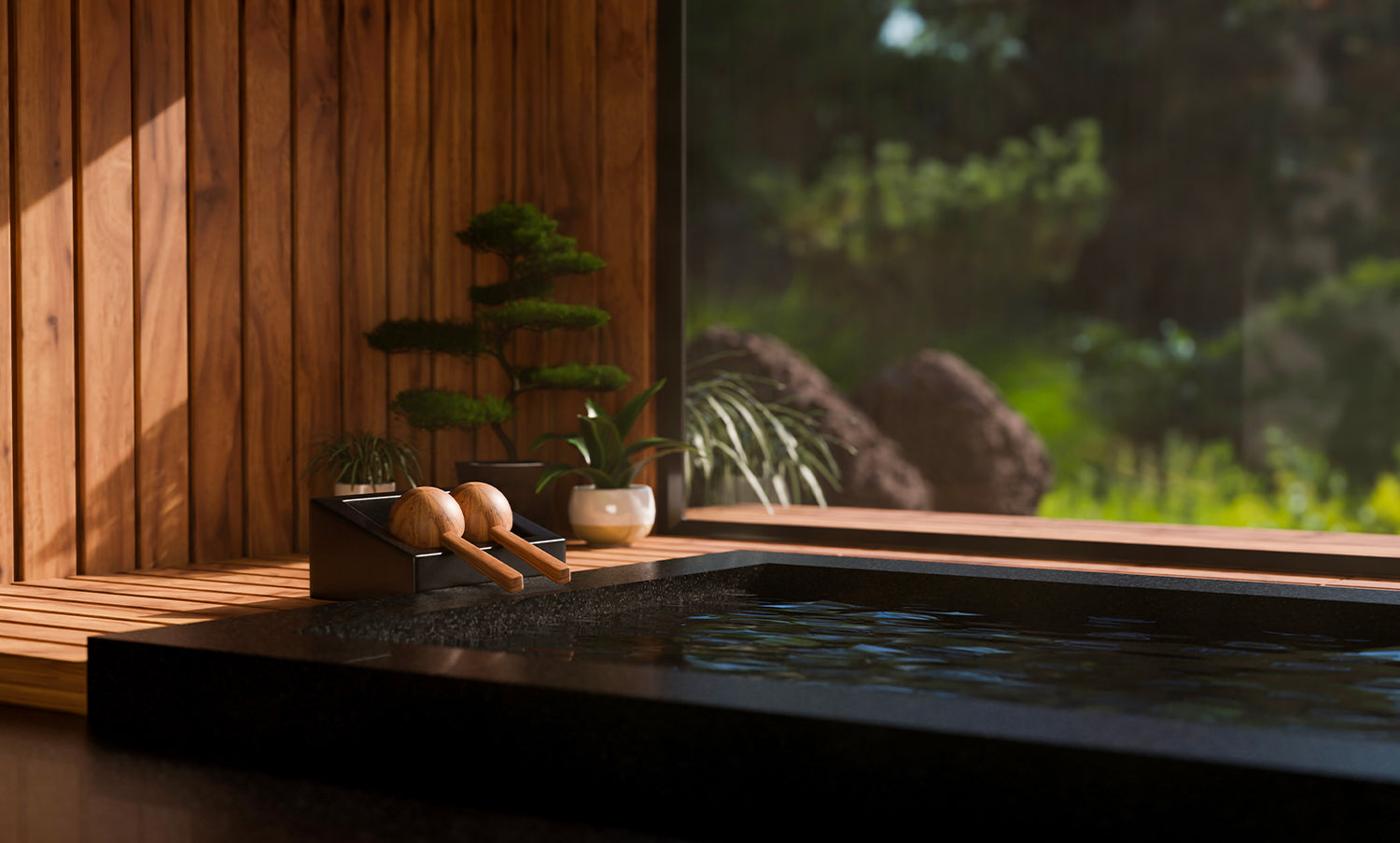
Perhaps the greatest transformation in wellness lies in the consideration of the nervous system. The goal is no longer to perfect décor, but to design regulating spaces capable of calming the mind before the body.
Every detail becomes essential: a scent that slows breathing, lighting that softens the gaze, silence that reassures.
A place dedicated to well-being does not heal because it is beautiful, but because it creates a sense of safety. That, today, is true luxury.
6. Emotional Well-Being: The Key to the Future of Wellness
The Role of Sensory Experience
The success of a spa will soon be measured by the sense of fulfillment felt by the client and the emotional stability of its team. Staff trained in kindness and emotional awareness create lasting bonds — far beyond simple commercial loyalty. Each treatment journey thus becomes an emotional path, an experience where sensoriality takes precedence.
Because the wellness of the future will be neuro-sensory, emotional and deeply human. Beauty is no longer displayed. It is felt.
Sensoriality lies at the very foundation of our brand L’ODAÏTÈS, as we, the creators, understood early on the major role it would play in skin beauty. Our partner Kintsugi, a sublime spa in Abu Dhabi, is also a pioneer in this field. It was therefore only natural for Kintsugi to choose our treatments and protocols to enhance the emotional escape it offers its guests.